- Home
- Steam Resources
- Steam Theory
- Check Valve Installation and Benefits
Other Equipment etc.
Check Valve Installation and Benefits
A check valve is a type of valve that allows fluids to flow in one direction but closes automatically to prevent flow in the opposite direction (backflow). Check valves are used in a wide variety of locations, but the focus of the discussion in this tutorial will be the installation of check valves at the steam trap outlet side.
Questions are often asked about the need and purpose of check valves, such as:
- Is it always necessary to install a check valve downstream of a steam trap?
- Does installation of a check valve prevent water hammer?
Let’s discuss these two points.
Is it always necessary to install a check valve downstream of a steam trap?
Check valves are necessary if there is a risk of condensate backflow. For example, when a trap discharges into a common condensate collection line, there is the potential risk of backflow from condensate discharged from other traps, so as a rule a check valve should be installed. Preventing this backflow is important because it can not only diminish process heating efficiency, but can also damage steam traps. In contrast, when there is a single downward sloping pipe that is not submerged at any point, there is almost no possibility of backflow, so a check valve is not necessary.
Single Dedicated Line
If the trap is gravity drained through a downward sloping dedicated line that releases to atmosphere without being submerged at any point, there is usually no risk of backflow, so there is no need to install a check valve.
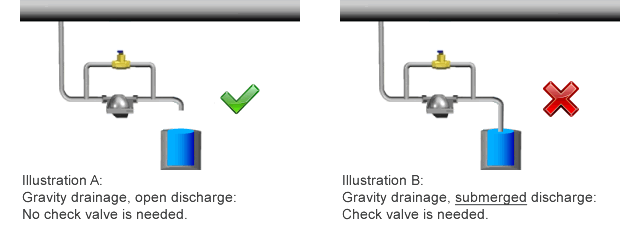
Note: Depending on piping configuration after the steam trap, back flow can also occur in open lines if equipment goes to vacuum or if there is positive pressure from a too small vent or pipe rise which can cause unwanted return line pressure. In such cases, installing a check valve may help prevent back flow.
Common Collection Line
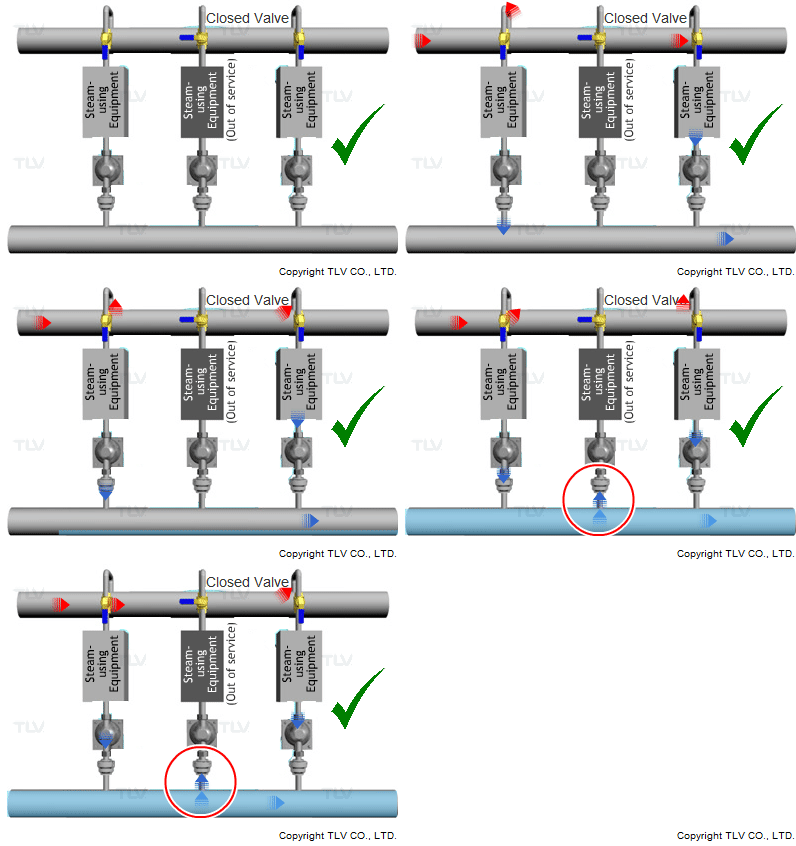
If the trap outlet piping is connected to a common condensate collection line, condensate discharged from equipment in operation may backflow into equipment that is out of service unless there is a check valve installed at the trap's outlet.
|
|
| Illustration C: No check valves at trap outlets |

If a check valve is installed, even if the trap outlet piping is connected to a common collection line, the condensate discharged from equipment in operation will not backflow into equipment that is out of service.
|
|
| Illustration D: Traps with check valves |
Does installation of a check valve prevent water hammer?
There are various mechanisms that generate water hammer. A principal cause of water hammer in condensate recovery lines is condensate flowing back down in vertical rises. The installation of a check valve at each of these locations is very effective in preventing water hammer due to backflow.
Water hammer caused by condensate backflow in vertical rises of condensate recovery lines
|
|
| Illustration E: No check valve on vertical risers |
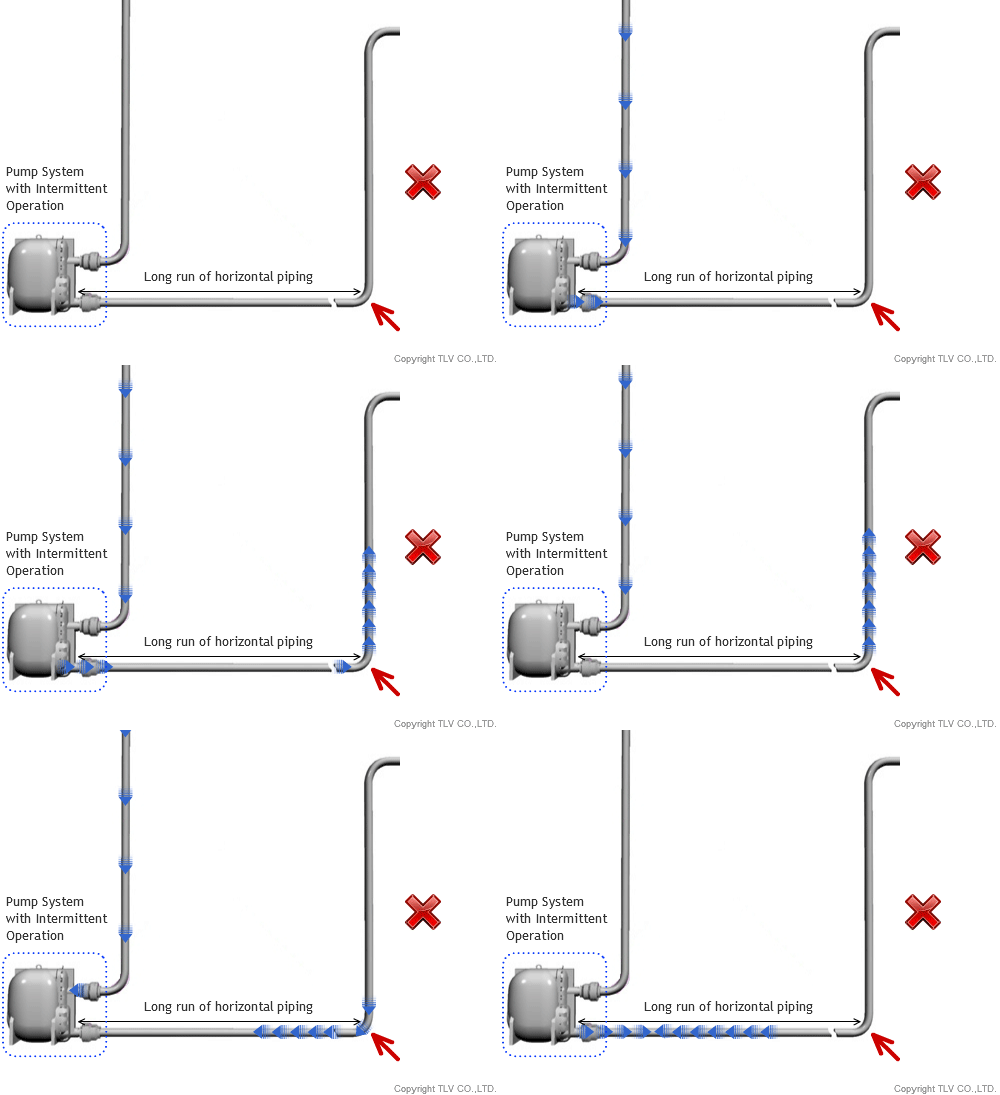
If the condensate discharge piping on a pump with intermittent operation (e.g. TLV PowerTrap® series or motorized pump with ON-OFF control) has a long horizontal run followed by a vertical rise, any condensate that falls back down the vertical rise becomes backflow that may collide with newly discharged condensate, resulting in water hammer. Similarly, in situations where a PowerTrap® discharges high temperature condensate, the combination of flash steam and backflow could be another possible cause for water hammer.
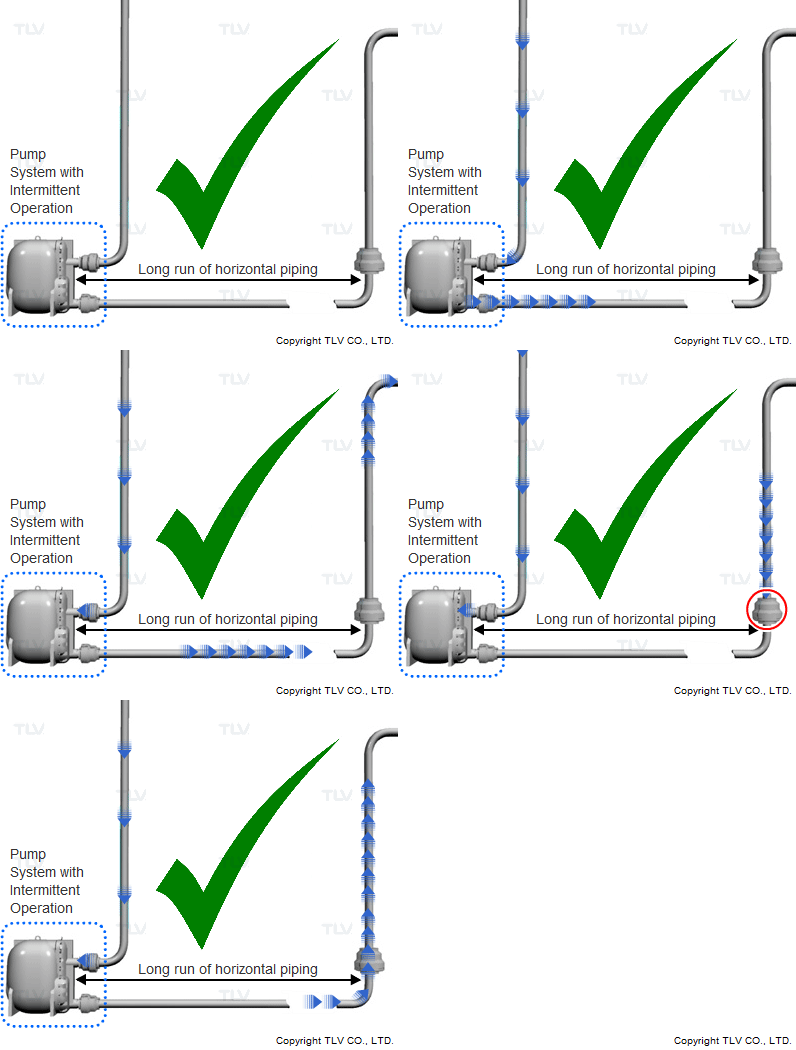
In such cases, water hammer may be prevented by installing a check valve at critical locations within the system (e.g. the beginning of a vertical rise).
|
|
| Illustration F: Check valve on vertical riser |
Additional Info
Check valves can also help prevent water hammer caused by a pulsating flow of low temperature condensate in condensate transport piping.

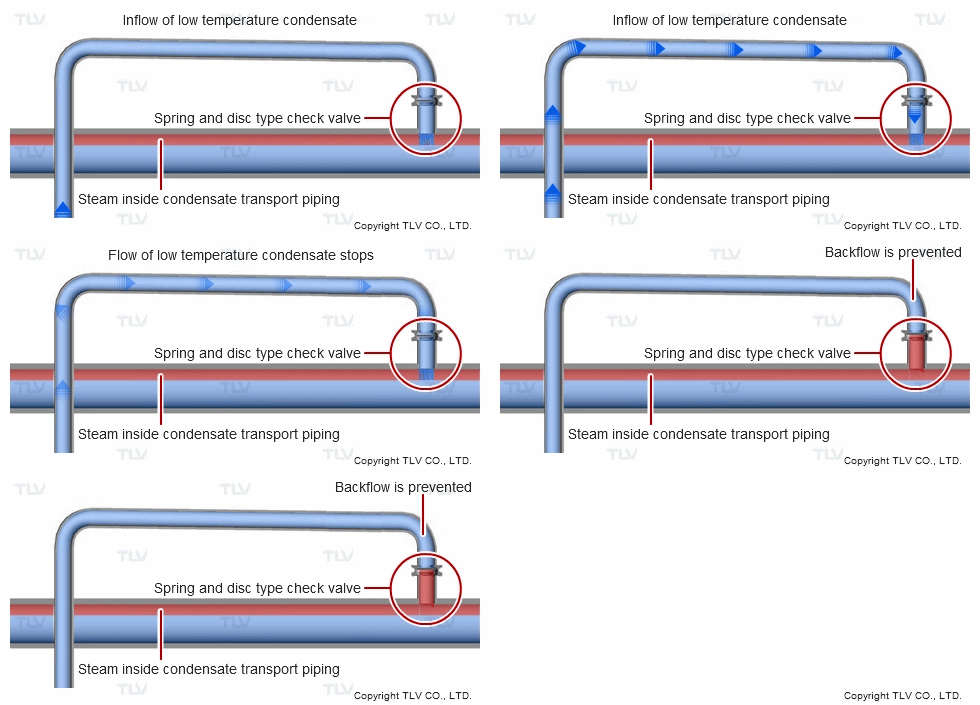
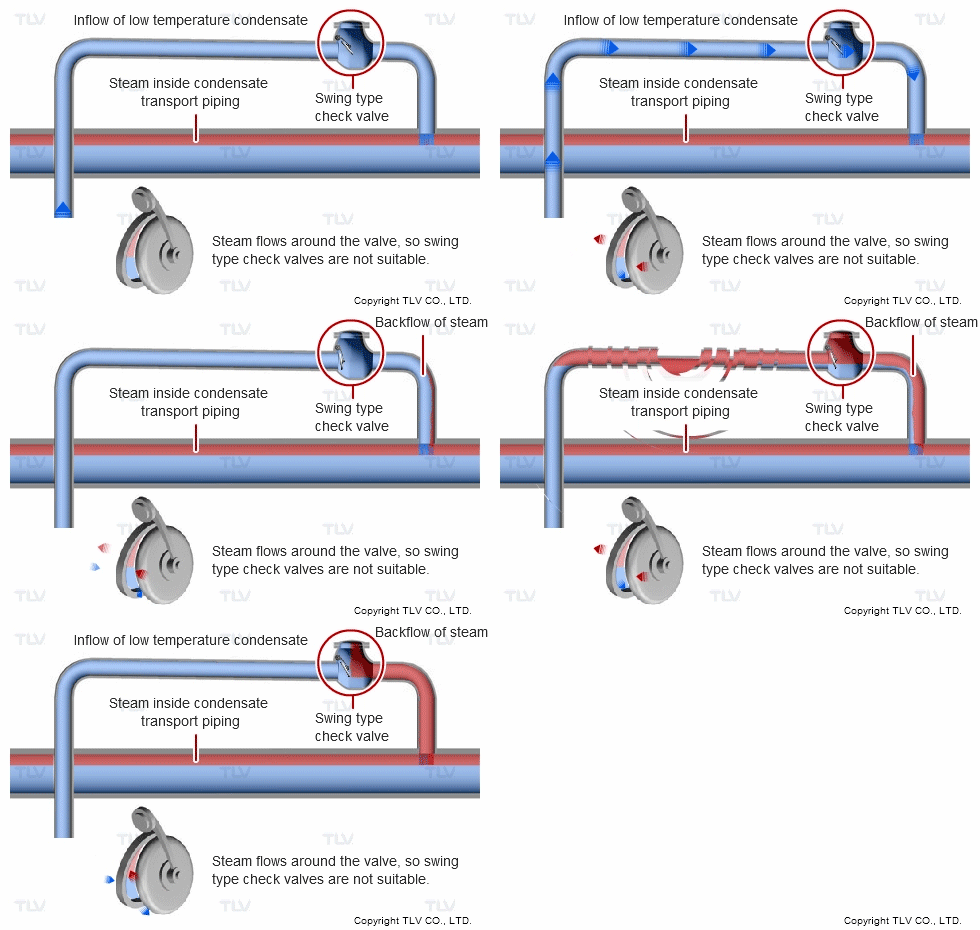
For more information on water hammer, please visit the water hammer tutorial.
Check Valve Restrictions
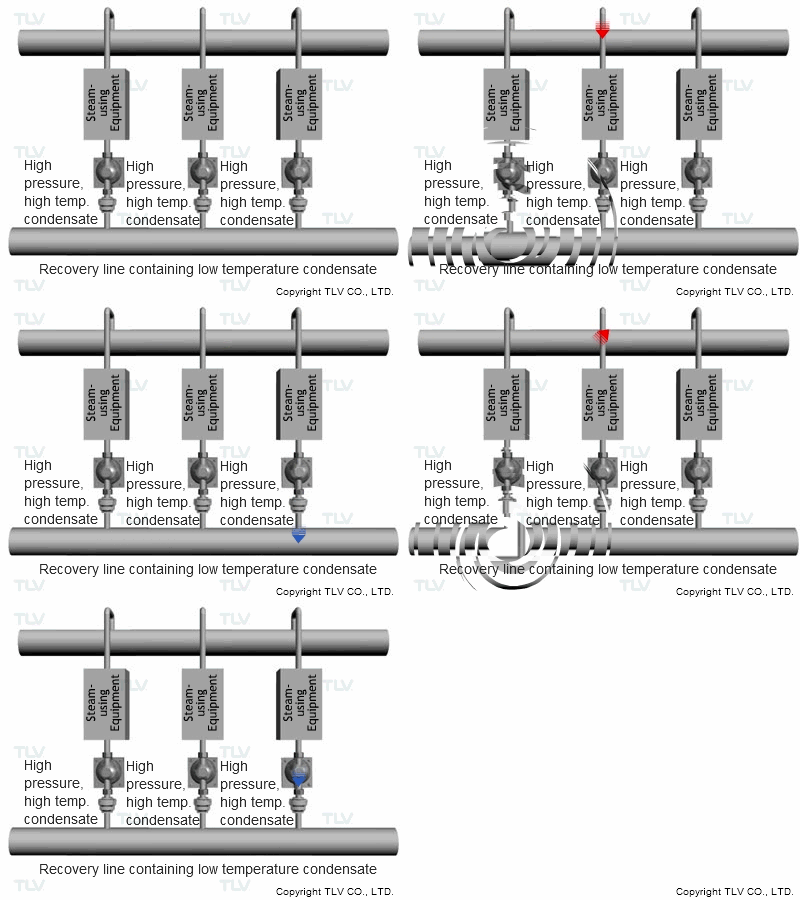
When high pressure hot condensate is discharged through a steam trap to lower pressure, flash steam is generated. If this flash steam then flows into a return line that contains sub-cooled condensate at a much lower temperature, an instant collapse (condensing) of the flash steam will occur as it gives off its latent heat to the condensate, and water hammer may result. Installation of a check valve is generally not effective in this situation.
Check valves prevent backflow, but not back pressure. It is not possible to discharge low pressure condensate into a higher pressure line. Even if a check valve is installed after a steam trap, condensate will not flow if the pressure upstream of the trap is lower than the downstream (return) side.

Additionally, it should be noted that if a check valve is installed at the outlet of a trap operating under an extremely large operating differential pressure, the check valve itself becomes a point of resistance (i.e., the check valve has a pressure drop as well), which means that it is necessary to calculate pressure drop very carefully.