- Home
- Steam Resources
- Steam Theory
- Introduction to Condensate Recovery
Condensate Recovery
Introduction to Condensate Recovery
What is Condensate?
Condensate is the liquid formed when steam passes from the vapor to the liquid state.
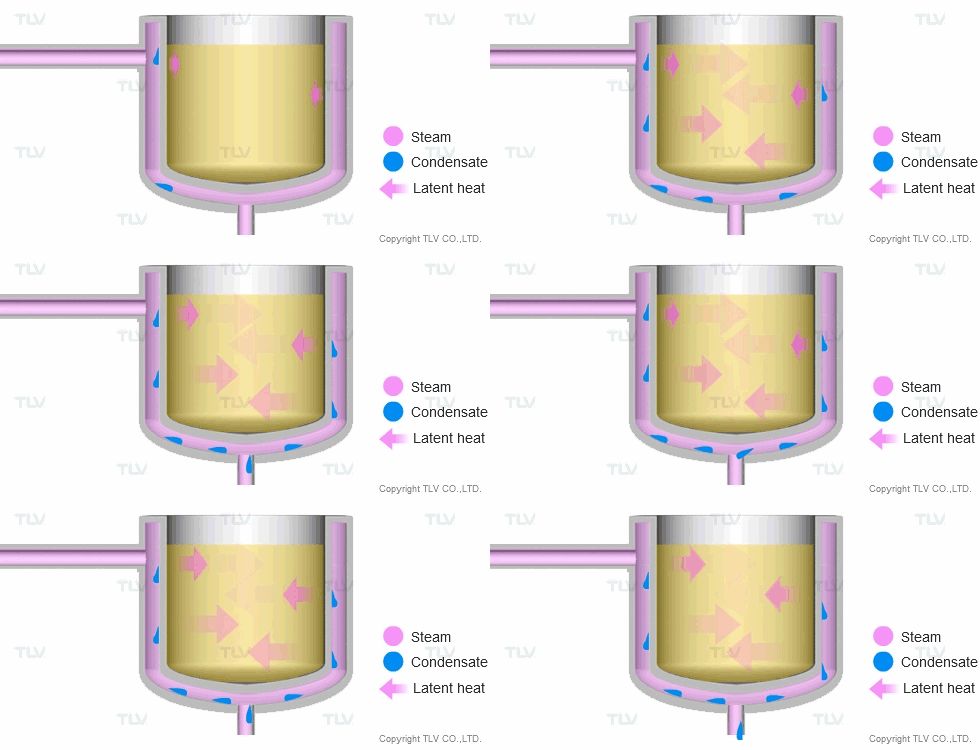
In a heating process, condensate is the result of steam transferring a portion of its heat energy, known as latent heat, to the product, line, or equipment being heated.
| Example of Steam Heating Process |
|---|
|
|
| When the latent heat of steam is transferred to heat the product, that steam condenses into water, which is also known as “condensate”. |
Latent Heat vs. Sensible Heat
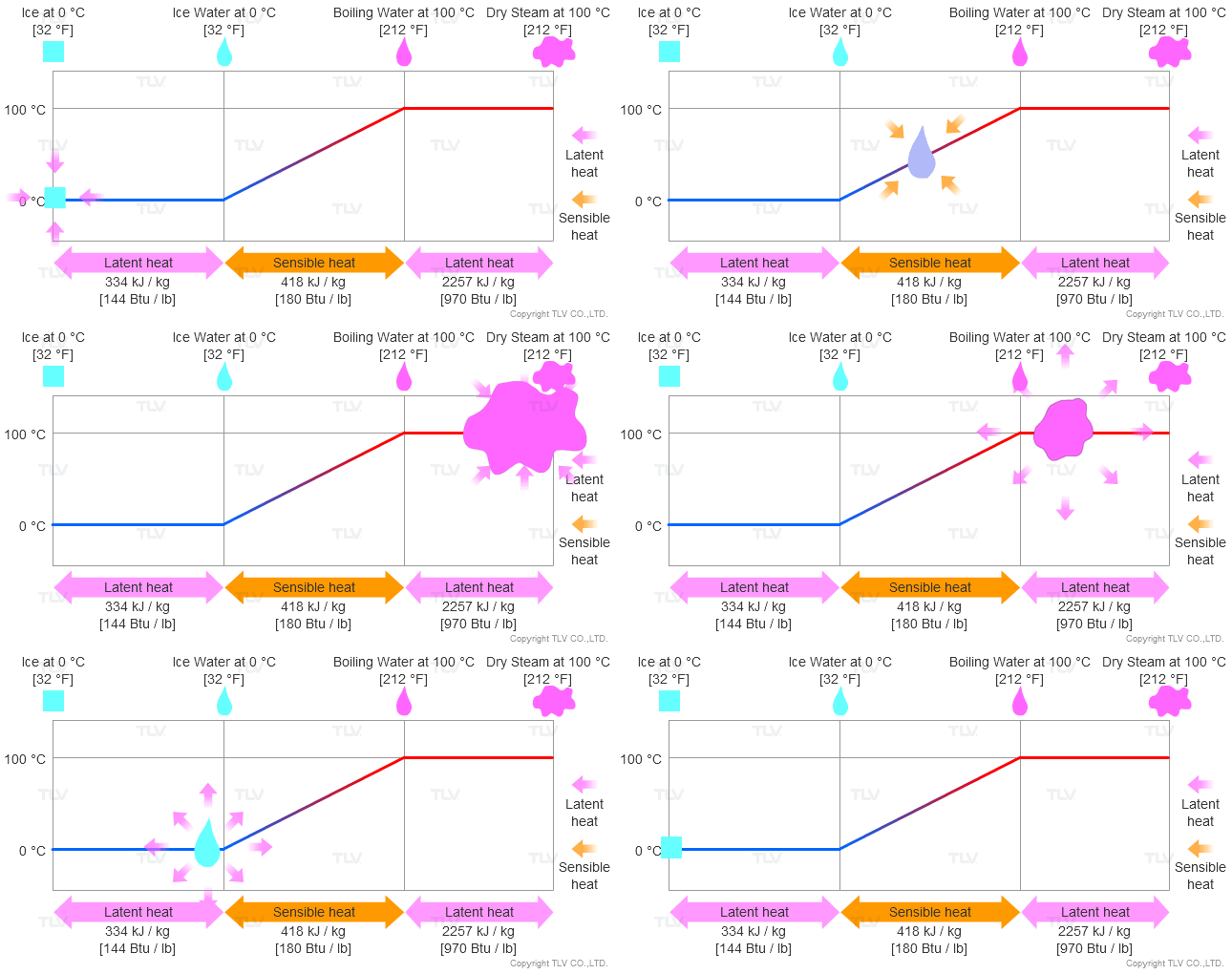
In steam-using industries, Latent Heat refers to the energy required to transform water into steam, also known as the Enthalpy or Heat of Vaporization. By absorbing this Latent Heat, water becomes steam, and by releasing it, steam reverts to high temperature water (condensate).
When steam condenses, at the threshold or instant of phase change, the condensate temperature is the same as steam because only the latent heat has been lost, and the full amount of sensible heat remains. This condition is known as “Saturated Water”. Not wasting, but rather recovering and reusing as much of this sensible heat as possible is one of the main reasons behind condensate recovery.
| Water Changing States |
|---|
|
|
| A change in the temperature of a solid, liquid or gas represents an increase/decrease in sensible heat. A change in state, such as ice turning into water or water into steam, represents an increase/decrease in latent heat. |
What is Condensate Recovery?
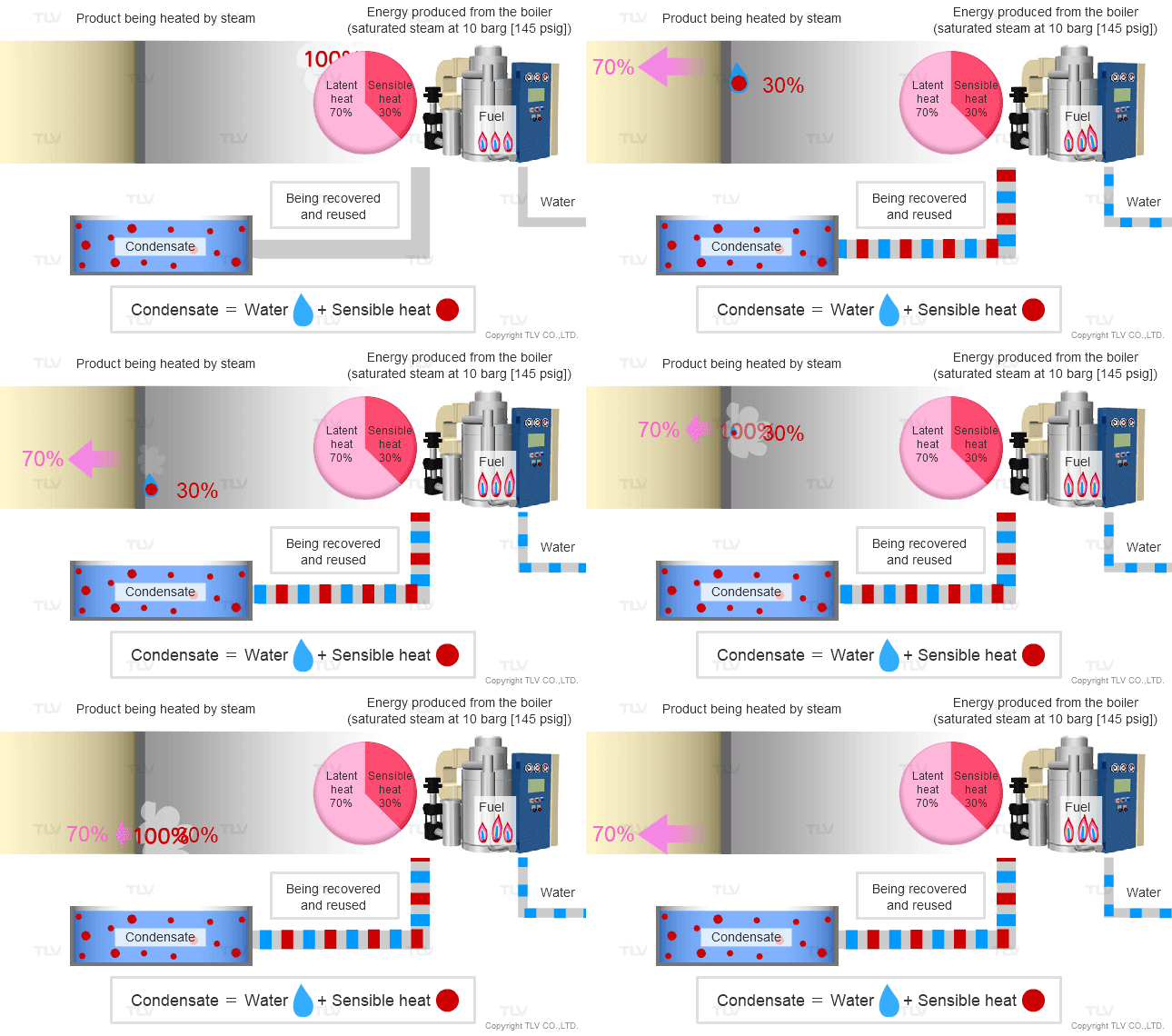
If 1 t/h of steam is supplied to equipment for a heating process, then the same amount of condensate (1 t/h) needs to be discharged from the equipment. Condensate recovery is a process to reuse the water and sensible heat contained in the discharged condensate. Recovering condensate instead of throwing it away can lead to significant savings of energy, chemical treatment and make-up water.
Condensate can be reused in many different ways, for example:
- As heated feedwater, by sending hot condensate back to the boiler’s deaerator
- As pre-heat, for any applicable heating system
- As steam, by reusing flash steam
- As hot water, for cleaning equipment or other cleaning applications
The Benefits of Condensate Recovery
Reusing hot condensate can lead to considerable savings in terms of energy and water resources, as well as improve working conditions and reduce your plant's carbon footprint.
Reduced Fuel Costs
Condensate contains a significant amount of sensible heat that can account for about 10% to 30% of the initial heat energy contained in the steam.
Feeding the boiler with high-temperature condensate can maximize boiler output because less heat energy is required to turn water into steam. When efficiently recovered and reused, it can even be possible to reduce boiler fuel needs by up to 10 to 20%.
Lower Water-related Expenses
As long as any impurities picked up during condensate transport are removed, condensate can be reused as boiler feedwater, reducing water supply and treatment costs, as well as costs associated with cold water used to lower condensate temperatures before sewering, where applicable.
Positive Impact on Safety and the Environment
Reducing boiler fuel needs through condensate recovery leads to less air pollution by lowering CO2, NOx and SOx emissions.
Additionally, condensate recovery lines can also limit vapor clouds to reduce noise generated from atmospheric condensate discharge and help prevent build-up of water on the ground, considerably improving a plant’s work environment.
Depending on the amount of condensate being recovered and reused, other benefits may include a reduced need for boiler blowdown through better feedwater quality, and less corrosion in the system as water quality becomes more consistent throughout the grid.
Condensate Recovery vs. No Recovery
| No Condensate Recovery |
|---|
|
|
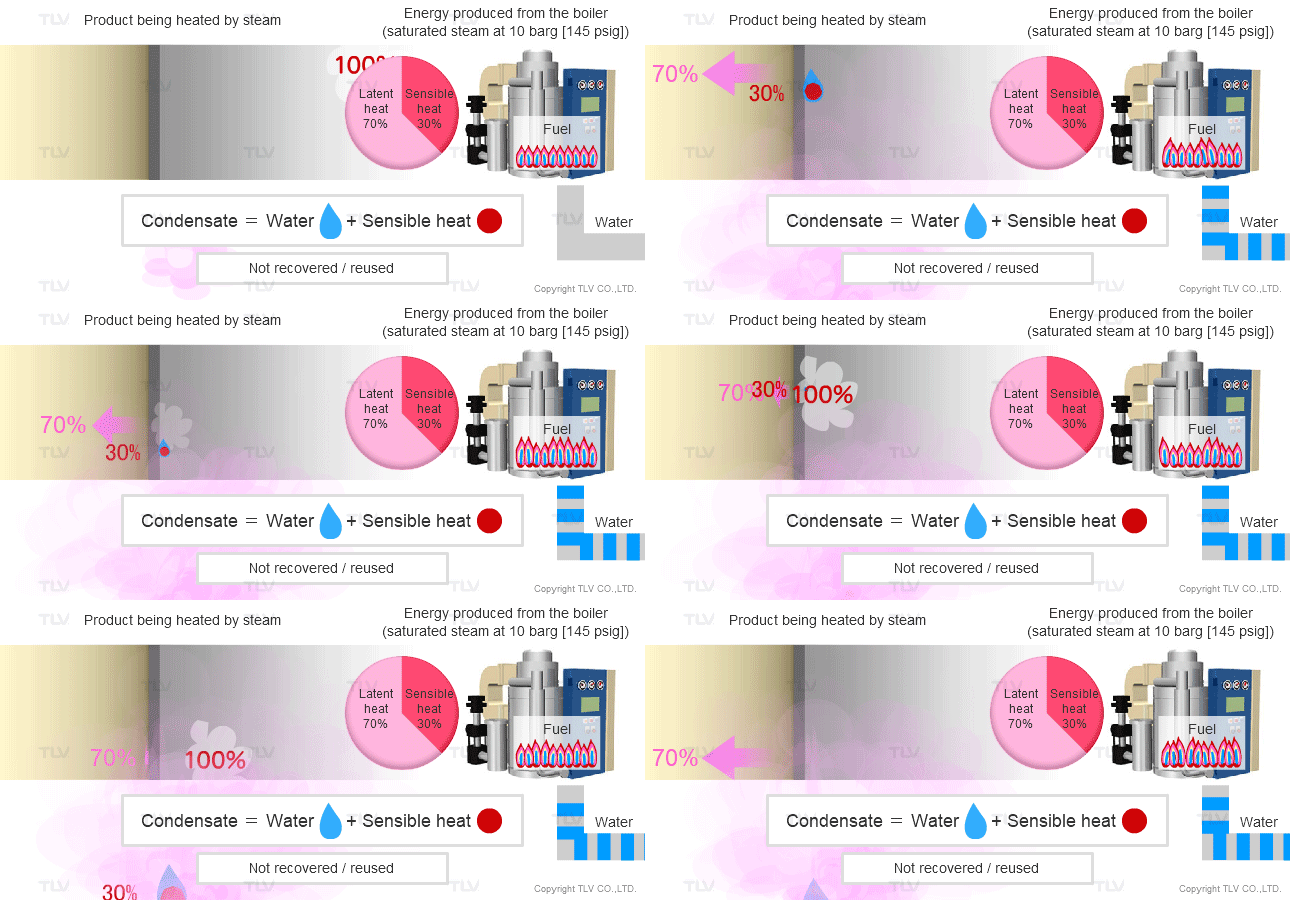
| If condensate is not recovered, its energy (sensible heat), chemical treatment, and water are wasted, leading to greater fuel and water-related costs. |
| Condensate Recovery |
|---|
|
|
| Reusing condensate as boiler feedwater can help reduce make-up water and treatment costs. The related energy savings can also help significantly reduce boiler fuel costs. |