- Home
- Steam Resources
- Steam Theory
- Water Hammer: Cause and Location
Steam Trap Problems
Water Hammer: Cause and Location
Water hammer can generate a large impact strong enough to instantly damage a valve, etc., or cause smaller damage over a long period of time. Whichever the case, both of these situations can lead to serious accidents, so countermeasures must be taken.
Importance of Identifying Cause and Location
When trying to prevent water hammer, determining its location and timing is important, but even more so is establishing its most likely cause.
Two pieces of advice you might hear around the workplace are: 'Close the stop valve immediately if water hammer occurs.' and 'Operate the stop valve slowly.'
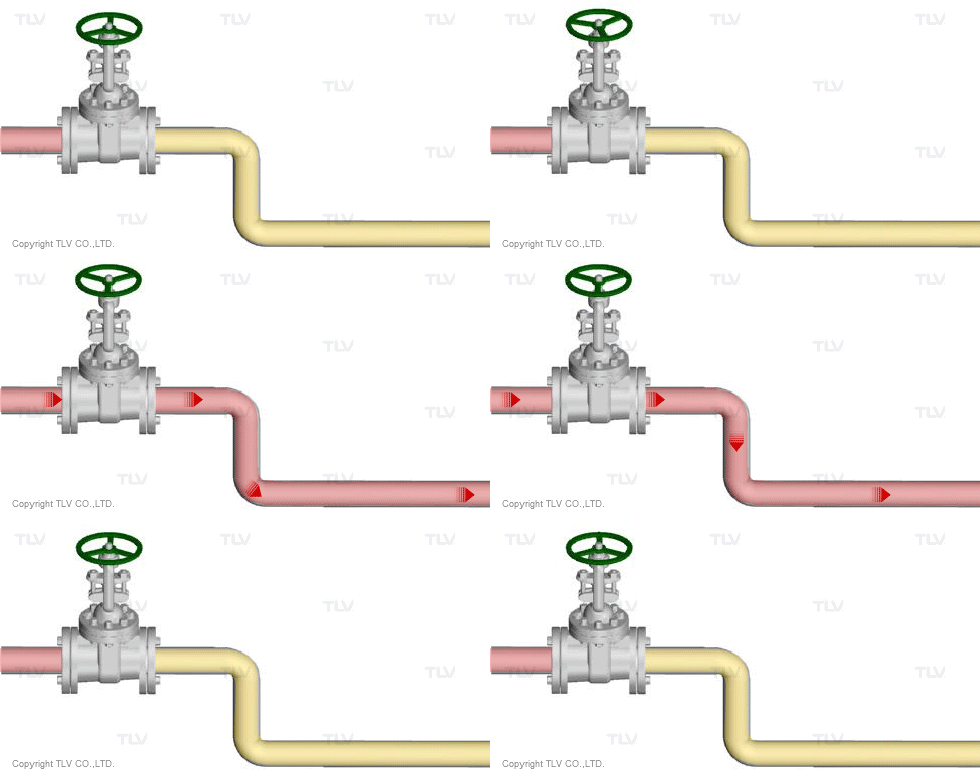
Immediately closing the valve will cut off the flow of steam, and water hammer may cease. Operating the valve slowly, on the other hand, has two objectives:
- To slow the flow of steam, which weakens the force of inertia and thus weakens impacts that occur inside the piping
- To prevent the sudden generation of condensate, which limits the amount of condensate generated per unit of time
By slowly opening the stop valve, condensate cannot flow as rapidly. This might help prevent the first type of water hammer, caused by high-speed condensate crashing into piping, etc.
What if slowly operating the stop valve doesn't work?
| Water hammer stops after valve is closed |
|---|
|
| Water hammer continues even after valve is closed |
|---|
|
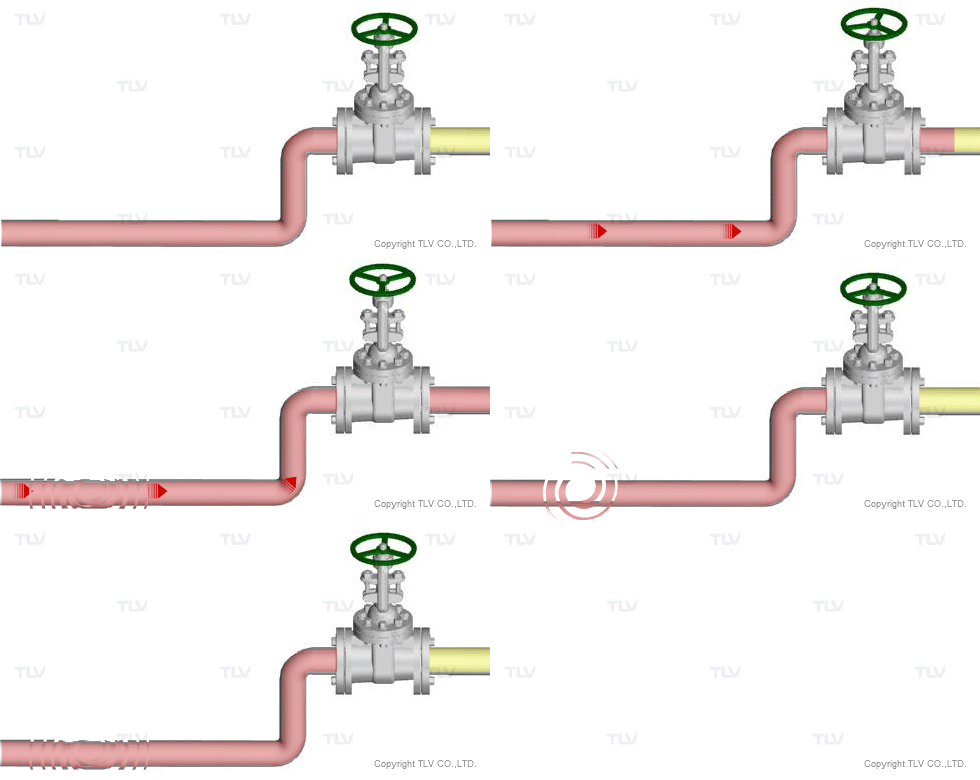
Water hammer that occurs even after the steam supply is cut off or when valves are operated slowly is the second type of water hammer, caused by the sudden condensation of steam.
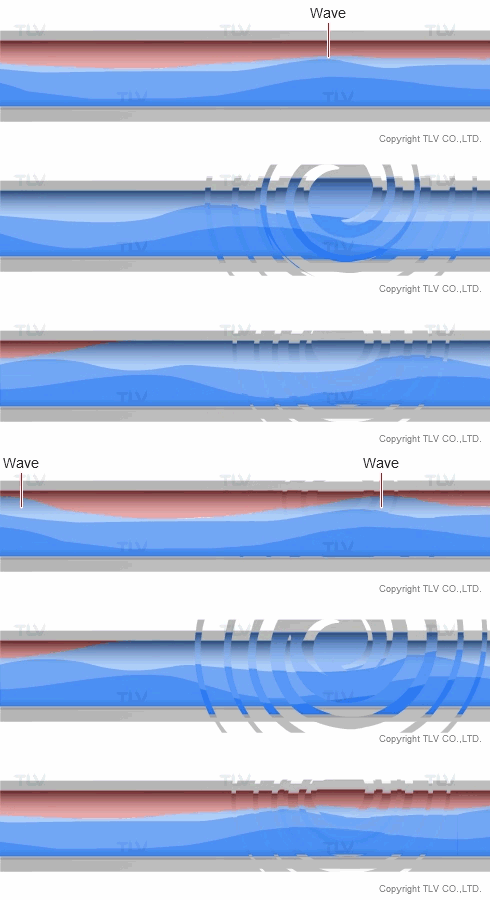
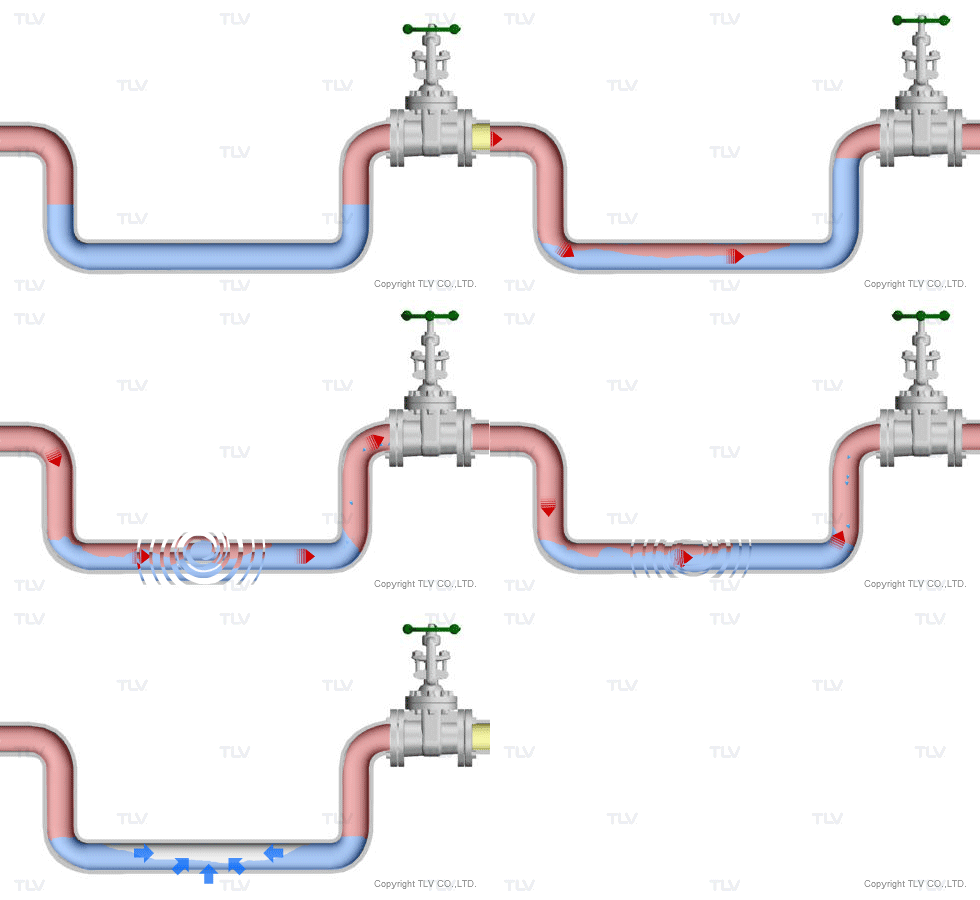
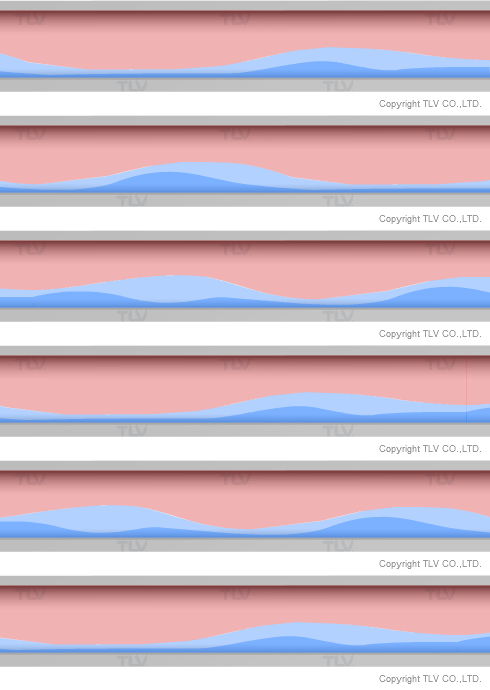
”Waves” are what triggers this kind of water hammer. Nearby waves of condensate isolate or trap pockets of steam, and water hammer occurs. With this type of water hammer, shockwaves created by the initial impact isolate more pockets of steam and help further propagate the water hammer.
| Water hammer caused by waves |
|---|
|
Pockets of steam can be isolated or trapped by waves if the level of condensate inside the piping is high enough to trap or isolate pockets of steam against the walls of the piping. In experiments performed at TLV, water hammer began to occur when the level of condensate rose above approximately 80% of the interior height of the piping.
| Waves form, but low level of condensate: No water hammer |
|---|
|
| High level of condensate, but no waves form: No water hammer |
|---|
|

| Waves form and high level of condensate: Water hammer occurs |
|---|
|