- Home
- Steam Resources
- Steam Theory
- Water Hammer in Condensate Transport Piping
Steam Trap Problems
Water Hammer in Condensate Transport Piping
Water Hammer in Condensate Transport Piping
As talked about in Water Hammer in Equipment, water hammer also occurs in condensate transport piping.
In many cases, high-temperature steam and low-temperature condensate are mixed in the condensate return line due to flash steam generated from the condensate and the condensate being transported, and this is a situation that is inherently susceptible to water hammer.
However, since the transported condensate cannot be removed, there is no fundamental countermeasure for water hammer that occurs in the condensate return piping. The only way is to mitigate it.
Water hammer in condensate transport piping occurs in many patterns, which are fundamentally all caused by the sudden condensation of steam. The three most common patterns are discussed below.
Mechanism & Countermeasures
Chugging
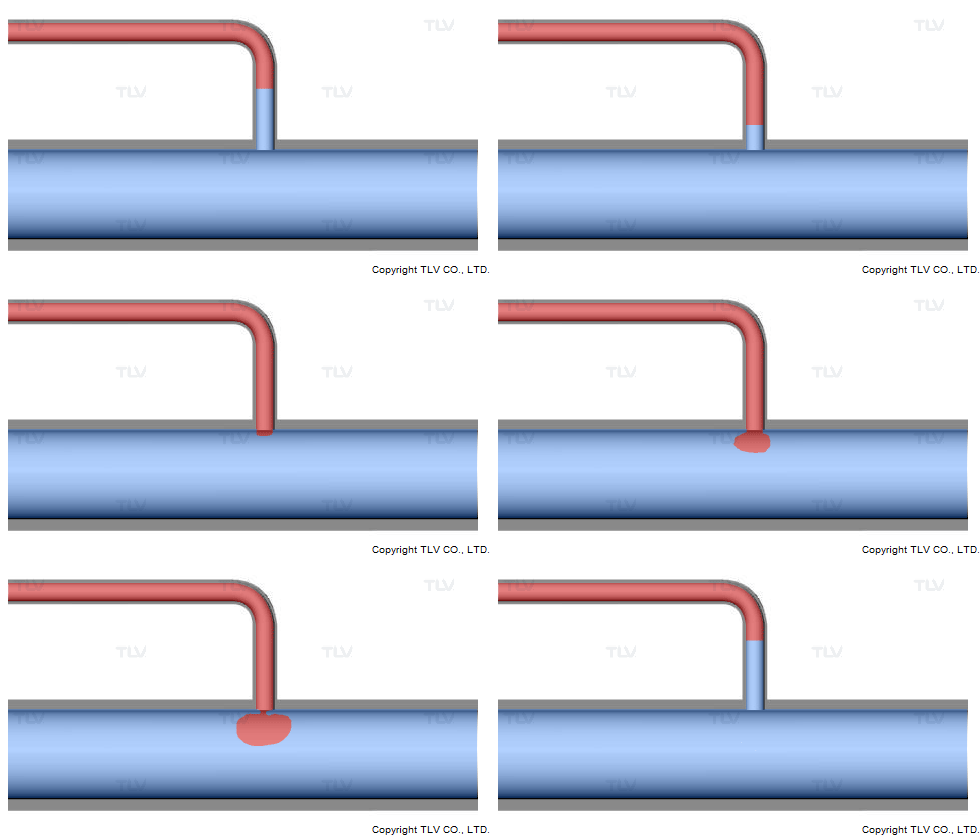
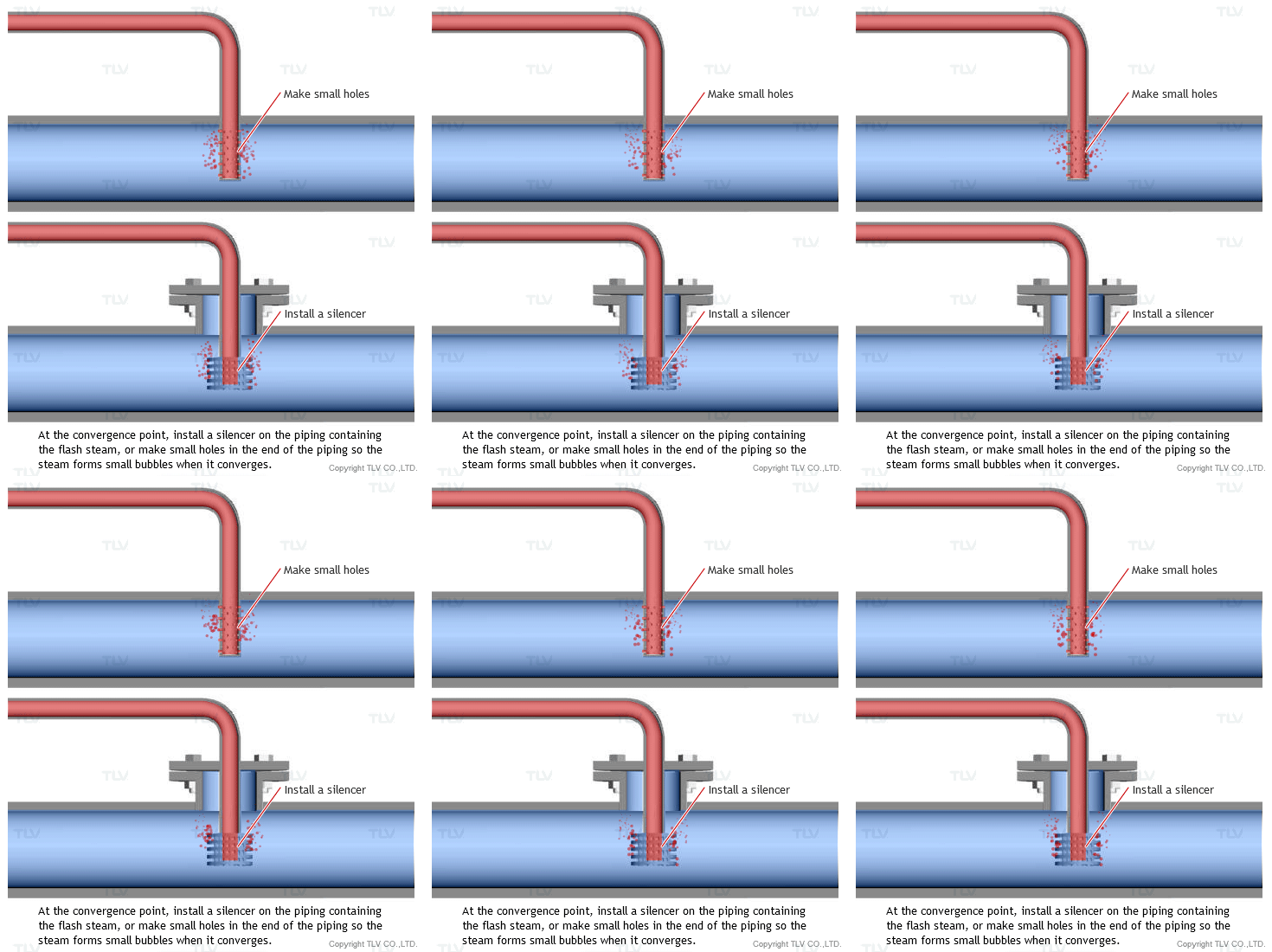
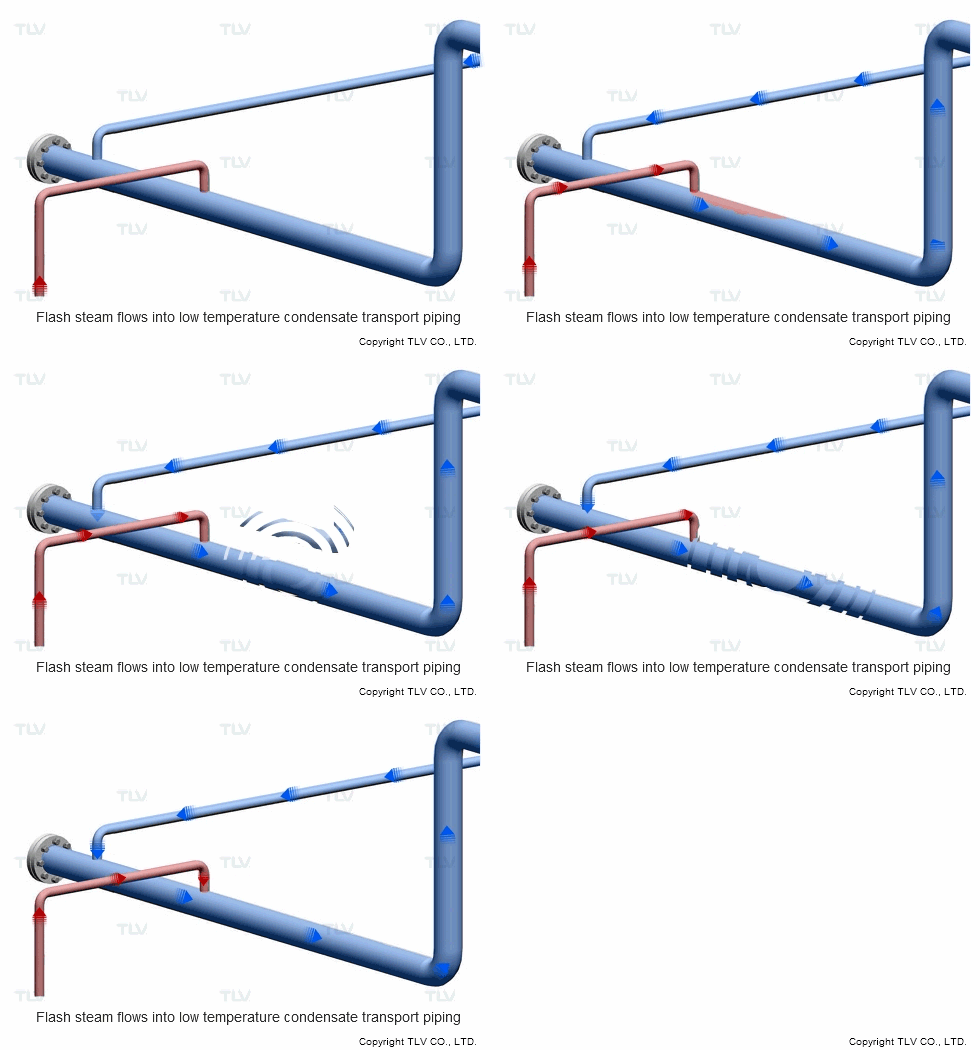
When two transport lines converge, high-temperature flash steam can come in contact with low-temperature condensate. If no large pockets of steam occur, the steam will rapidly condense and cause small-scale, rapidly cyclical impacts known as chugging. The name is derived from the noise produced, which sounds something like an engine chugging. The force of the impact is not great, but the resulting noise becomes a problem.
Do you know what chugging sounds like? Listen here.
Countermeasures
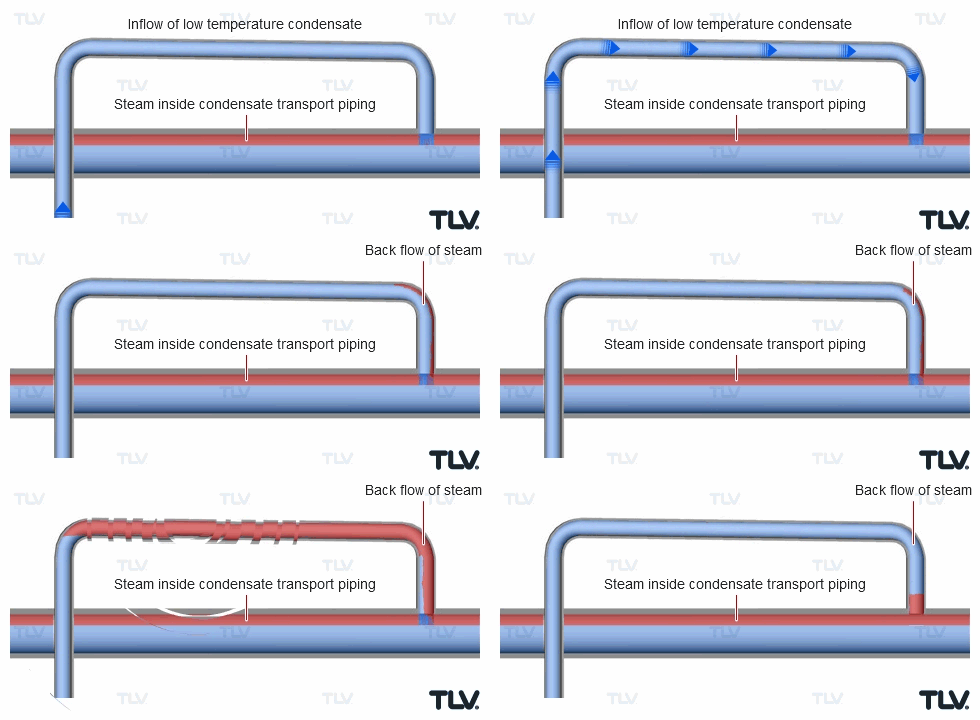
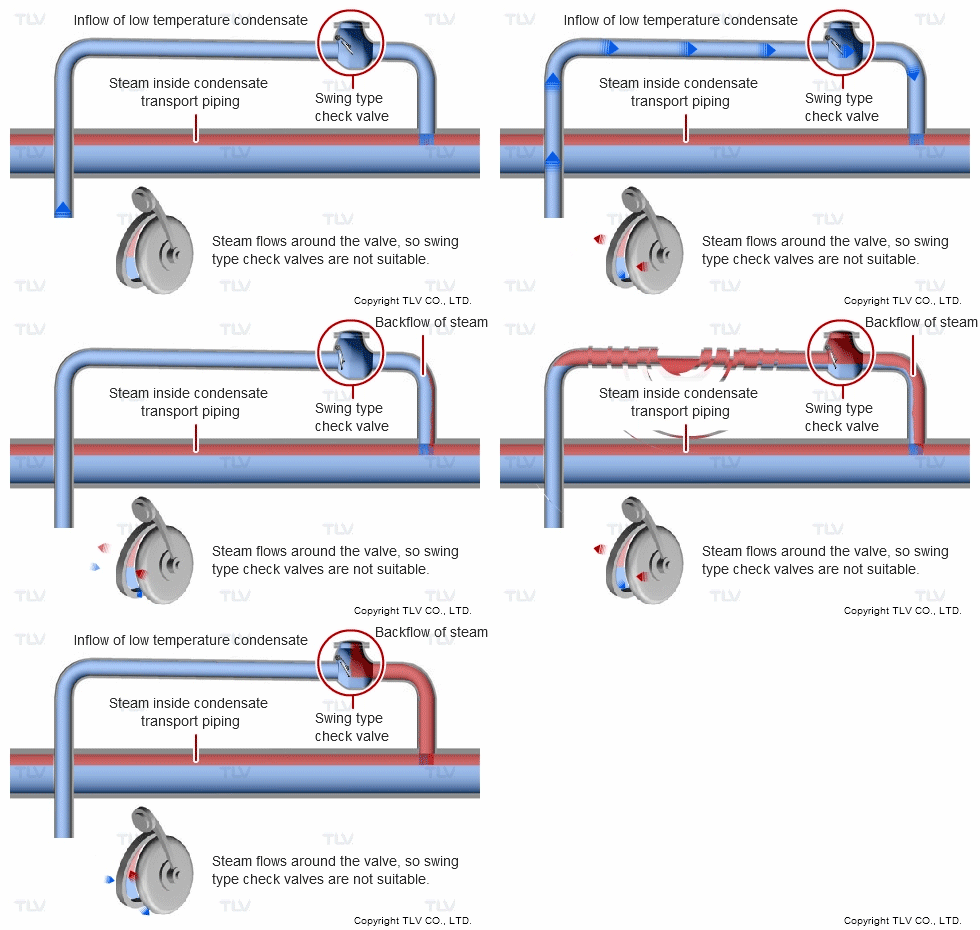
Water Hammer caused by backflow of steam from condensate transport piping
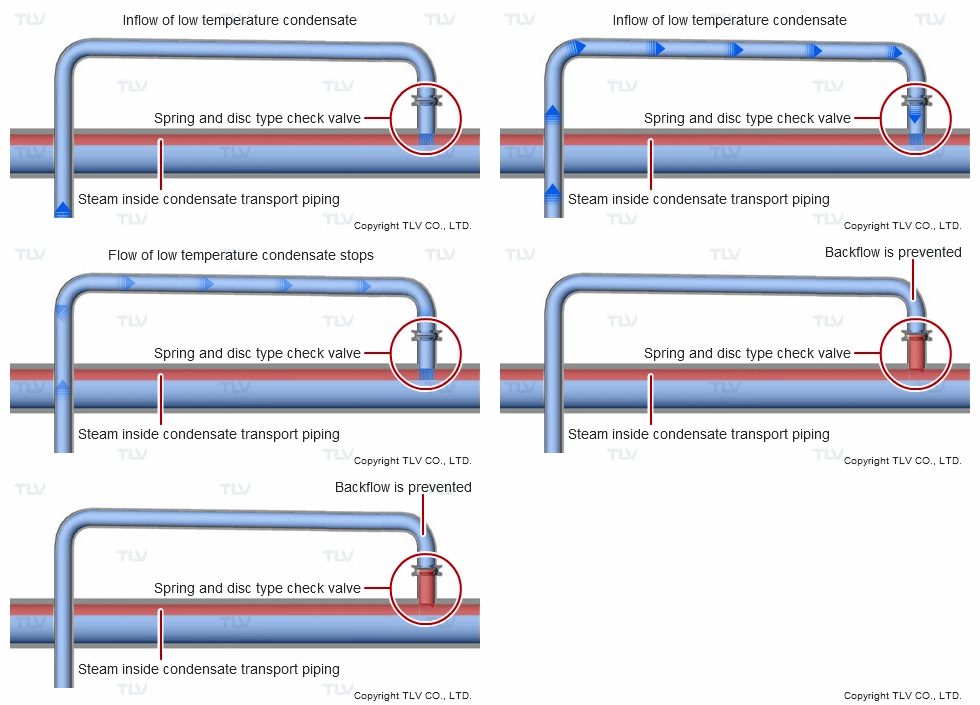
Water hammer from backflow is caused by a pulsating flow of low temperature condensate in condensate transport piping, and is often seen in factories.
Countermeasures
Inadequate countermeasures
From the formation of 'large pockets of steam'
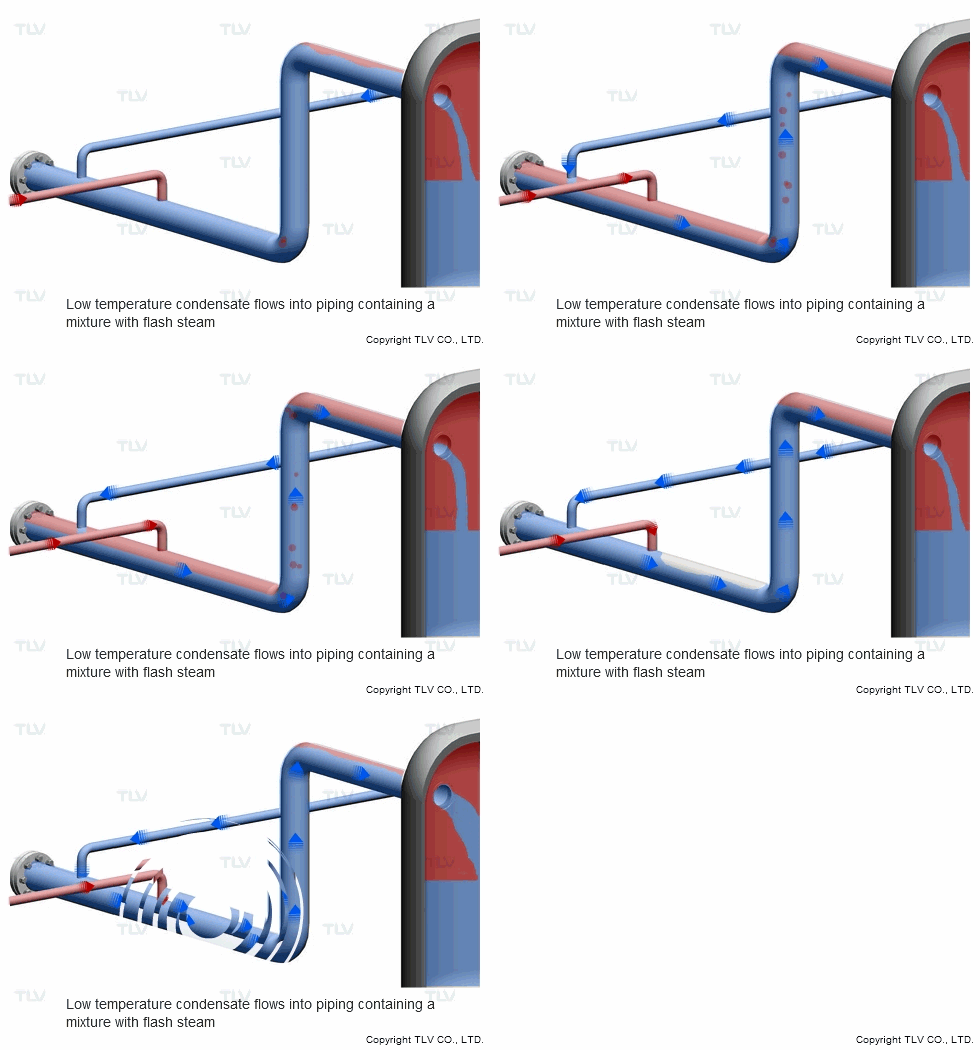
This is the most frequently encountered form of water hammer in condensate transport piping. It occurs at points where piping carrying high temperature flash steam and piping carrying low temperature condensate converge. Unlike water hammer resulting from backflow, steam and condensate do not flow in opposite directions to cause water hammer. In this case the problem is caused by the formation of large 'pockets of steam'.
Just like water hammer caused by backflow, water hammer impacts may occur far away or upstream from the convergence point of transport piping. If such is the case, pinpointing the cause can become quite difficult.
Countermeasures
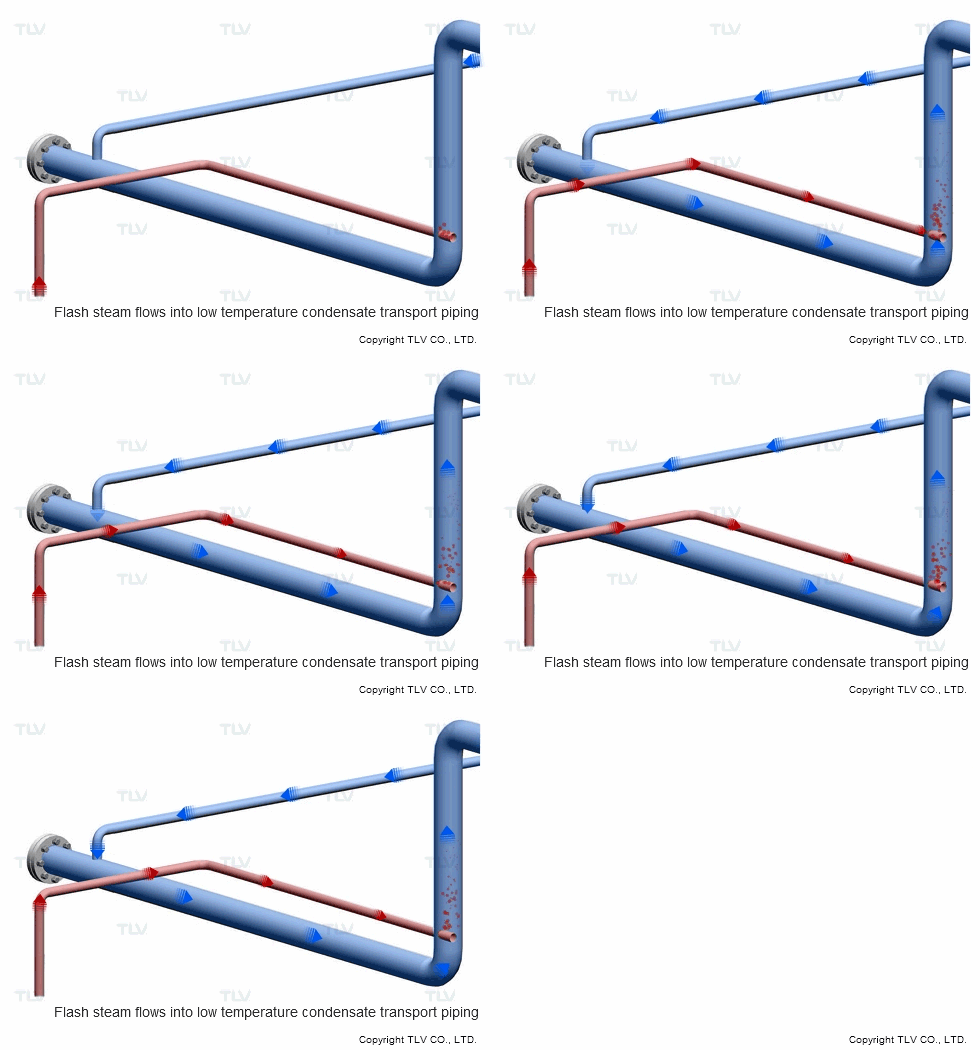
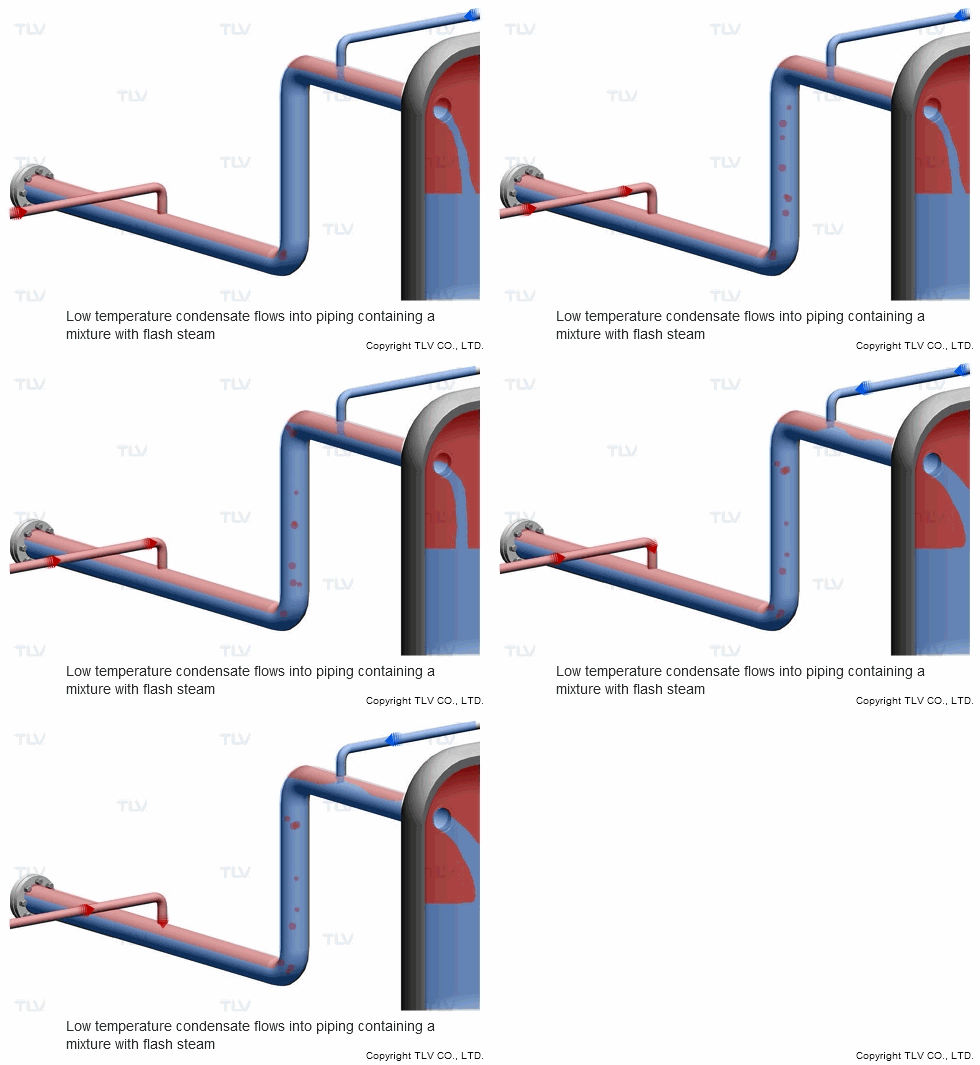
This countermeasure is complicated. You must first confirm the temperature difference between the surrounding condensate flow and the piping, then make any necessary alterations in the piping such as connecting the line to a vertical section of piping in order to make it difficult for the flash steam to form pockets of steam.
Countermeasures for each of these three main patterns of water hammer have several points in common:
- They ensure that pockets of steam remain small.
They intercept the steam (e.g. flash steam) that is the cause of the trouble, or connect it to a different line.
Wherever possible, they avoid contact between horizontal piping runs of high temperature steam and low temperature condensate.
Note: When water hammer occurs in condensate transport piping, the piping itself is sometimes the cause. This makes it very difficult to predict the occurrence or location of water hammer in advance. Countermeasures are thus often investigated only after the problem arises. On top of this, when the cause of water hammer is equipment that is far away or seasonally operated, a more extensive and long-term investigation may be required.